What We Learned This Week: New Year’s Resolutions for the Film Industry for 2019

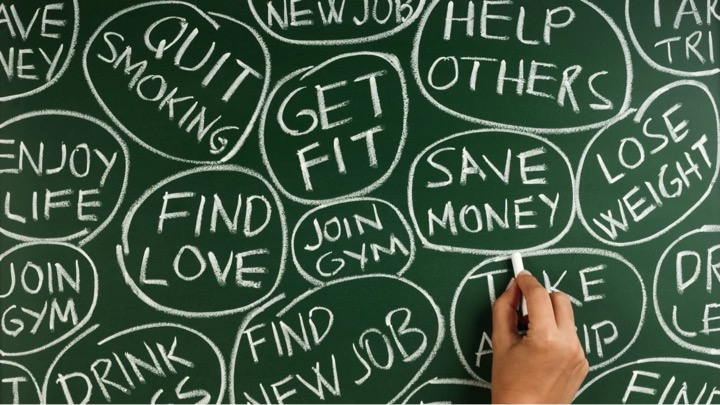
Image by Muharrem Aner for Getty via The Daily Beast

Plenty of regular everyday people make New Year’s Resolutions, but I think bigger entities, namely movie makers and movie moguls, need to make them too. Annually, including this eighth edition, have fun taking the movie industry to task for things they need to change, even if I get to do it every week in a different ranting way on “What We Learned This Week.” My cadence hasn’t changed. I have no false internet courage to be a Twitter troll. As always, some resolutions come true while others get mentioned and reiterated every year. A great deal of last year’s list is still relevant. Enjoy this year’s hopes and dreams.

#1: Don’t stop supporting minority voices.

2018 has been a banner year for indie film featuring themes, stars, and filmmakers of gender and racial diversity. This list is impressive: Searching, If Beale Street Could Talk, Blindspotting, The Hate U Give, Sorry to Bother You, Roma, The Rider, Revenge, Crazy Rich Asians, Madeline’s Madeline, BlacKkKlansman, Burning, Roxanne Roxanne, Nappily Ever After, We the Animals, Private Life, Widows, You Were Never Really Here, Can You Ever Forgive Me?, Border, Support the Girls, Minding the Gap, Shoplifters, Destroyer, RBG, Hearts Beat Loud, Boy Erased, The Favourite, Bohemian Rhapsody, Collette, The Miseducation of Cameron Post, Love Simon, Disobedience, Blockers, and many many more. Upvote your favorite films directed by women in 2018 on this Ranker. Hollywood, keep these doors opening. Don’t just do this for tokenism. The audiences will come.

#2: Disney, take your time with Fox properties you bought from Marvel.

A recent Kevin Feige interview became click bait when he said that Fox’s Marvel properties, mostly the Fantastic Four and X-Men universes, could be in their control within six months. Everyone (well, expect me) got out their abacuses and calendars to calculate how fast those new incarnations would arrive. My advice and resolution preached patience. Don’t just make these films because you can. Take your time and get them right. Fantastic Four has had two failed attempts. X-Men has had its soft reboot too and is already slipping. I have no doubt those characters are in the right place, but Marvel needs to hold off.

#3: Speaking of Disney, slow down with your own releases.

Have you seen the Disney release calendar for 2019? It’s insane. Their dominance, as if we already didn’t know, is unquestioned and it shows. I think it’s too much. When big releases are on top of each other like this, they feel more run-of-the-mill instead of special. I remember a time when there was only animated Disney film a year. It was huge, important, and it mattered. It’s hard to multiply care when there are a half-dozen or more between Pixar, Marvel, Star Wars, and their own house brand choices. Space them out. Build them up. Make them matter because they don’t come around all that often.

#4: Don’t show us another second of Avengers: Endgame

Those of you who follow my weekly column and the “soapbox specials” know that I’ve sworn off of trailers and have been encouraging people like a cinematic cult leader to do the same. I’ve simply seen too many and oversell their products and create unreasonable expectations which create the butthurt fans we have come to hate. Avengers: Endgame would be the perfect trailblazer. That movie doesn’t need a second of marketing to get our money. How awesome would it be if they stopped cold right now after the first trailer? Our frenzy of anticipation off of the small sample would create more buzz than any new footage. At the same time, the studio could pad their bottom with the reduced need to throw money into marketing, as well as merchandise too. Don’t even release an action figure until after the screaming and parent-tugging kids see the movie in April. Don’t hope for a frenzy. Create one.

#5: Vet your hosts and spokespeople

In the Twitter meltdown wake of James Gunn, Louis CK, Kevin Hart and more this past year, studio heads and showrunners need to do a better job background checking their hires. It shouldn’t matter as much as it turns out, but we’re seeing it does. Big outfits and corporations have too many PR employees and interns at their disposal to miss the large problems they have this year. When those flags come up, talk it out and have a plan before making final decisions and public comments.

#6: If you’re a celebrity, it’s time to get off Twitter

I think we’ve reached a point where we have to ask what the gain is from Twitter. Sure, it’s fun to see trends and maybe catch breaking news, but that’s for us anonymous people of the general public. If you’re a big star, do you really need the scrutiny just for a small PR and promotional bump that comes from social media accessibility? I don’t see the value if you’re an established celebrity or brand.

#7: Repackage the Oscars a better way

Speaking if Kevin Hart, the embarrassing panhandling for a new host and poor attempts to shoehorn new and silly categories creates the need for this resolution. I say don’t do even have a host at this point. Reduce the bits and focus on the awards. Here’s some perfect and generous math even with a host. Give the 24 categories 5 minutes each (3 to introduce it gracefully with deeper montages than mere quick mentions and 2 full minutes for each winner’s speeches) and that’s 120 minutes. Tack on 5 minutes to open with a welcoming monologue, 5 minutes to close with a thankful prologue, 3 minutes for the annual dead people roll call, and 30 minutes for required commercials to pay the bills. Easy peasy! You’re well under three hours, the awards are given rich room to operate, and nothing is forgotten except another hare-brained skit. As far as categories go, Best Casting and Best Stunt Work deserve inclusion. If you want to trade those for some technical awards being moved to the separate Science awards night, so be it, but don’t even try to devalue the whole show with a dumb and patronizing Popular Film award. Leave those awards for MTV.

#8: Respect Netflix

Speaking of the Oscars, much is being talked about on a perceived bias and beef the Academy has with Netflix films. They need to put it aside with tolerance for a new and viable distribution outlet that isn’t going away, especially if they keep landing high pedigree films like Roma and The Irishman. Movie moguls need to arrive at the learning curve television and their Emmy Awards have already put behind them where cable and streaming shows have equal footing and respect as network shows. Welcome the new guy better than you are.

#9: Netflix, please choose quality over quantity

Speaking of Netflix, you might need the same resolution as the one Disney got earlier. We get it. You have money and are spending it. You can freely drop films and splash any and every pot with them. The trouble is you have more bombs than winners. For every Roma and Bird Box, you have a dozen that never get attention because there are too many choices. I know, right? Who would have ever thought too many choices was a bad thing. Netflix, I see your strengths. You are revitalizing the midrange budget film market studios haven’t been making since the 1990s. You give indie films wider and better chances for visibility than they would at the shrinking number of arthouse screens. You have long championed documentaries. Do all that with a discerning eye and refined taste.

#10: Keep repackaging Adam Sandler

Speaking of quality over quantity, if you don’t count his voice work in Hotel Transylvania 3, 2018 was the first year in a long time without a theatrical release from Adam Sandler. That alone made 2018 a glorious year answering one of this column’s longest repeating annual resolutions to stop that man’s redundantly bad career. I say that while still being happy Adam Sandler’s recent unbound and R-rated Netflix comedy special has done so well. Give us that grown-up Adam Sandler. Bury the man child. Since Netflix is writing him checks, it’s up to them to remake Adam Sandler. Someday, we’ll be glad he’s back in the spotlight as a new man. The fear will always be him slipping back to the boorish slacker type that made him rich.

#11: Price point will always be the greatest trigger and hurdle simultaneously

This goes for all of the current streaming services out there and all of the ones still coming, especially Disney+. Each streaming service’s standalone price makes it highly affordable compared to the price of theater tickets for the whole family year-round or a bloated cable TV subscription. The devices like AppleTV, Roku, Google Chromecast, Amazon Fire, and more are all wonderfully affordable too. The hard part is if/when you feel like you need to have 4-5 streaming services in addition to the steadily increasing costs of high speed internet to make it all work. Then that number balloons. At some point, the overabundance of services and higher prices will break a common person’s budget. The services have to make sure they don’t reach that point.

DON SHANAHAN is a Chicago-based and Rotten Tomatoes-approved film critic writing on his website Every Movie Has a Lesson and also on Medium.com for the MovieTime Guru publication. As an educator by day, Don writes his movie reviews with life lessons in mind, from the serious to the farcical. He is a proud director and one of the founders of the Chicago Independent Film Critics Circle and a new member of the nationally-recognized Online Film Critics Society. As a contributor here on Feelin’ Film now for over a year, he’s going to expand those lessons to current movie news and trends while chipping in with guest spots and co-hosting duties, including the special “Connecting with Classics” podcast program. Find “Every Movie Has a Lesson” on Facebook, Twitter, and Medium to follow his work.
What We Learned This Week: December 7-29

My apologies for the December sabbatical. Work, holidays, and the awards season are spare time killers…

LESSON #1: WE’VE LOST KEVIN SPACEY— Wow. Just wow. How weird was that “Let Me Be Frank” video this past week? How miscalculated was it, especially on top of the newest charges against him? Contrition instead of glamor would have went a long way. I don’t see how he comes back from this any time soon. Man, I’m going to miss Kevin Spacey. He was one if the best. Now if we could just lose Johnny Depp next, that would be super. He’s already off the next Pirates of the Caribbean movie. I’d call that a start.

LESSON #2: STOP MANUFACTURING CONFLICT WHERE IT DOESN’T EXIST— Dramatic license is necessary to make a marketable and entertaining film, but it should be used carefully and even as a last resort. Every time that card is cashed, it chips away at the story’s core and truths. Do that too much and it’s either manipulation or disservice. What was nearly done in On the Basis of Sex is a disconcerting example of forcing strife just to have strife. It’s unnecessary and could have turned things negative. I’ll never understand how “good for goodness sake” can’t sell on its own.

LESSON #3: EVEN BIG STARS DON’T KNOW HOW TO USE IMDB— To read this recent story of actor Seth Rogen’s (and his famous peers) monumental “discovery” that that gangster film, Angels with Filthy Souls, in Home Alone was a fake movie and not a real one makes me miss Jay Leno’s “Jay-Walking” segments on his old late night talk shows where this kind of lack of reasonable intelligence lives and breathes. It’s title is likely a homage to the Michael Curtiz’s James Cagney vehicle Angels with Dirty Faces. Sure, I get how small and inconsequential of a detail it is, but it’s a straight facepalm for me when tools of knowledge are readily available. It doesn’t take a genius to go on IMDb and see Ralph Foody and Michael Guido’s name in the cast playing Johnny and Snakes. Home Alone came out in 1990, the same year IMDb began though the noted database didn’t hit the web until 1993. That’s only really three years of head-scratching, but I guess it’s 28 years of haze and missed problem-solving synapses for Rogen and company. Alas, this counts as hot topic clickbait in 2018. Any time a celebrity farts with sprinkles, it gets a column and 400 words.

LESSON #4: ROMA IS GOING TO KEEP WINNING— Shine up the “Critical Darling” plaque and start printing the t-shirts. Alfonso Cuaron’s 1970s domestic drama from his home country of Mexico is winning all of the shiny things that say Best Picture, Best Director, and Best Cinematography on them. My website’s Awards Tracker shows it running away and hiding in this categories during this main stretch of regional critics groups handing out their annual awards. Sometimes, especially for a foreign film, it is hard to project all of this critical love into audience success and Oscar glory. It’s not too often the regular, ordinary domestic viewing audience will drop an audible “Huh?” at Best Picture winners. This may be one of those years. The test will be the Golden Globes. Let’s see if Netflix can do its job and give Roma a wider audience, which is its own testy saga to read about.

LESSON #5: YOU KNOW YOUR FILM IS CRAP WHEN EVEN NETFLIX SAYS NO— The newest Will Ferrell-John C. Reilly teamup Holmes & Watson had bomb written all over it from the start. First, the marketing didn’t help the effort, looking like one of those struggling comedies where all of the good jokes are in the trailer and not in the two-hour movie. Once Sony decided not to screen the film for critics, that should have been the real warning. In a damning second warning, Netflix, which prides itself as the service that will take anything and spend frivolously, actually turned down buying Holmes & Watson from Sony. Gosh, that’s when you know it’s bad. That’s like a baseball team trying to trade a pair of pitchers for a bag of balls and getting turned down for even balls. Good Lord, that’s a bad movie.

LESSON #6: LOOK AHEAD TO SUNDANCE TO THE SUNDANCE FILM FESTIVAL— Robert Redford’s baby turns Park City, Utah into Mecca. We may be looking at the 2019 Oscars, but, without fail, at least one or more future contenders for 2020 will debut there. Here’s the full lineup. From the competition films, keep an eye on Native Son and The Farewell. Of the bigger-named gala premieres watch for Jake Gyllenhaal’s Velvet Buzzsaw (a new collaboration with his Nightcrawler director Dan Gilroy), Julianne Moore and Michelle Williams in After the Wedding from Moore’s husband Bart Freundlich, and The Report with Adam Driver and Jon Hamm from Soderbergh writing partner-turned-director Scott Z. Burns. You’ll sound cool if you can say you’ve heard of these films next year.


DON SHANAHAN is a Chicago-based and Rotten Tomatoes-approved film critic writing on his website Every Movie Has a Lesson and also on Medium.com for the MovieTime Guru publication. As an educator by day, Don writes his movie reviews with life lessons in mind, from the serious to the farcical. He is a proud director and one of the founders of the Chicago Independent Film Critics Circle and a new member of the nationally-recognized Online Film Critics Society. As a contributor here on Feelin’ Film now for over a year, he’s going to expand those lessons to current movie news and trends while chipping in with guest spots and co-hosting duties, including the special “Connecting with Classics” podcast program. Find “Every Movie Has a Lesson” on Facebook, Twitter, and Medium to follow his work.

What We Learned This Week: November 18-December 1

LESSON #1: ROMA IS A DUAL-LEVEL CATEGORY OSCAR CONTENDER— Every so often during the annual awards seasons a foreign language film surges ahead with praise to become a legitimate Best Picture Academy Award contender and not just a shoe-in for its own Best Foreign Language Film Oscar. Think of Ang Lee’s Crouching Tiger, Hidden Dragon, Michael Haneke’s Amour, and Michel Hazanavicius’ 2011 Best Picture winner The Artist. Those films are rare and special. You’re going to see another one this year and that film is Alfonso Cuaron’s Roma. Stunning, dramatic, and heartbreaking, Cuaron’s love letter to his upbringing just won the Best Picture award from the New York Film Critics Circle as well as director and cinematography, all for Cuaron. With confidence, expect it to be one of the final five to eight films competing on February 24th next year.

LESSON #2: SPEAKING OF OSCARS, PADDINGTON 2 DESERVES TO BE TAKEN SERIOUSLY— You’ve been hearing Aaron White and I shout the praises of this charming sequel all year. Both Aaron and me have grand slam 5-star reviews. If a dramatic foreign film like Roma with few flaws and endless superlatives can be taken seriously as one of the best of the year, so can a spotless family film that has even more built-up appreciation. Two separate articles this week, one from David Ehrlich in IndieWire and one from Gregg Killday in The Hollywood Reporter, called for due respect in the form of Oscar nominations for Paddington 2. Killday celebrated the novelty of a Best Picture than can be flat-out enjoyable. You have to go back to The Artist, The King’s Speech, or Slumdog Millionaire to find partially light-hearted Best Picture winners. Even they still had their notes of heavy drama. Ehrlich laid out seven categories where Paddington 2 should have Oscar consideration. He’s not wrong on a single one of them. Let’s hope voters have a heart this year.

LESSON #3: A LITTLE LADY NAMED “OLIVIA” MIGHT DESERVE AN OSCAR TOO— The Academy was busy the year trying to bomb developing a “popular film” category (one more time, with feeling, just let Paddington 2 win straight up, end of discussion and need) when they could be making special awards elsewhere. As stated in our Facebook discussion group, casting and stunts come to mind. I think a little lady named “Olivia” makes quite a compelling case and she has four legs. IndieWire blew my mind this week to educate me that the same dog, a female 15-pound West Highland White Terrier, starred prominently in three films: Game Night, Widows, and Insatiable. Her name is Olivia and she was excellent in the arms of Viola Davis hatching or scheme or getting drenched on blood from the hands of Jason Bateman. Hand that pooch an honorary Oscar!

LESSON #4: LET THE LADIES CLOSE OUT YOUR “NOIR-VEMBER”— Speaking of Widows, while Steve McQueen’s film makes its theatrical run as a polished modern noir potboiler, turn back the hands of time to a few hidden gems to close our your November noir push. Chicago-based film critic Angelica Jade Bastien of The Vulture published a dynamite little list of ten female-led noir films for fans of McQueen’s film. Make it a weekend project to celebrate the end of November. Let the JustWatch search engine tell you where the titles are available for streaming or rental.


DON SHANAHAN is a Chicago-based and Rotten Tomatoes-approved film critic writing on his website Every Movie Has a Lesson and also on Medium.com for the MovieTime Guru publication. As an educator by day, Don writes his movie reviews with life lessons in mind, from the serious to the farcical. He is a proud director and one of the founders of the Chicago Independent Film Critics Circle and a new member of the nationally-recognized Online Film Critics Society. As a contributor here on Feelin’ Film now for over a year, he’s going to expand those lessons to current movie news and trends while chipping in with guest spots and co-hosting duties, including the special “Connecting with Classics” podcast program. Find “Every Movie Has a Lesson” on Facebook, Twitter, and Medium to follow his work.

What We Learned This Week: 2018 Thanksgiving Soapbox Special

(Image: Tekla Design)

For quite some time, I’ve noticed something off to me scanning through hot takes, sifting through click bait, and participating in many film discussion threads across social media, including right here in the Feelin’ Film circle. It’s a lack of clear contrast between a pair of opposite hot button terms which manifest themselves as figurative hills people seem to go to die on. No, it’s not “masterpiece” this time.

I’m talking about “subjective” and “objective” when it comes to film criticism or evaluation. Too often lately, I hear or read people, both professional and amateur in background mind you, put the -ly ending on either of those two terms to create what they think is an adverb of defense to strengthen some silly descriptive point of “good” or “bad” they are trying to make about a movie. When I see it happen, I first think about that great Inigo Montoya quote-turned-meme from The Princess Bride of “You keep using that word, I do not think it means what you think it means.” I second think about, because I can’t help myself as a schoolteacher that grades things, circling where the communicated flaws of logic or sense are with my invisible internet red pen.

The duel between objective and subjective is a gray area of thinking that doesn’t have a black-and-white answer of right or wrong. It is more of a sliding scale between prudent and careless presentation of facts and opinions. I think this young podcaster and YouTuber named Houston Coley of Blockbusted really talked the surface of this debate out well. Take a look:

I think the kid is spot on about a few things. I agree with him that factual elements, particularly technical qualities, can be cited in film criticism, quality can be factual in nature, and, most of all, that a critic should define their terms. Let’s do that. I love pulling from the dictionary to highlight a term in my film reviews, so let’s go there first as if I’m Inigo Montoya’s next step of offering correction.

SUBJECTIVE Dependent on or taking place in a person’s mind rather than the external world, based on a given person’s experience, understanding, and feelings; personal or individual (source)

OBJECTIVE— Existing independent of or external to the mind; actual or real, based on observable phenomena; empirical, uninfluenced by emotions or personal prejudices (source)

I lay all of that out for this soapbox because, maybe more definitively than Houston’s talk, I am one critic that wholeheartedly thinks there is room for both terms in film criticism. With discretion, one can judge separately with one’s head as well as with one’s heart. It is a discipline I seek and I wish more people attempted to better clarify their thoughts.

Those of you frequent Feelin’ Film Discussion Group participants know I’m the “favorite” versus “best” guy. That’s subjective (favorite) versus objective (best) at its simplest and I strive to delineate that often wherever I represent my work. For example, I adore Anaconda knowing full well it’s a ridiculously cheesy movie. At the same time, I can respect the hell out of Schindler’s List without ever wanting to watch it again as if it’s some cherished holiday tale. One is a favorite. One is among the respected best of the art form. Rare movies for me are ever both and when that happens it’s beautiful, welcome, and earned.

Once I ever share this mentality or stir this debate in a discussion, I get the same pushbacks. Even the mere introduction of the idea of “objective” criticism and its possibilities bring out the stalwart “all art (everything) is subjective” ranters. They are often the kind of people that don’t listen to, care, or respect any opinion but their own. They lack an open mind of compromise or a listening ear or empathy. Their frustration point, where they show the inability to explain their stance or the existence of opposing stances, normally rears its ugly head when a combative line like “don’t tell me what I can and cannot like” comes out. If you hear or read that, they’re done trying, if they ever really attempted in the first place.

If you live and die on that subjective hill, so be it. “To each their own,” as us pragmatic people say against your pushy dos and don’ts. If you have made it this far in the editorial and are open and willing to listen, all I’m saying is step back and try some objectivity on for size, or at least the candor of it with your communication in discussions and debates. Be balanced. Be even-handed. Be fair. Separate personal from impersonal. Step back for a second to see the other sides of things. Find common understanding and that goes back to defining terms.

What does the objective end look like when talking about a film? Well, the easiest way to say it is: Look for the purpose. Circle back to the cited definition of “objective.” One of its biggest distinctions is the clause about “based on observable phenomena.” Do some homework to learn the qualities of a great film. If you’re a beginner there, start with this easy piece from Penny Flores of MS Films that highlights five basic elements. Another nice and approachable take comes from the Now You See It channel on YouTube:

Here’s a quick sidebar of “buyer beware.” Even that term “great” is a loaded landmine in its own right, a word that is thrown around too flippantly and too easily in weak hyperbole. Everything or too many things just have to be “great” for some reason. Have more nuance. Show more descriptive degrees. Get a thesaurus and use a more interesting and less ambiguous word. I digress yet still plead for better while we’re here.

My teacher brain translates “based on observable phenomena” as having specific criteria in mind. To me, that’s the quantifiable separator between “subjective” and “objective.” That’s also the thing most people who carelessly snipe the “objectively great” or “objectively bad” labels can’t present to backup their supposed take. Those that can back up their words are the ones that walk the walk after talking the talk. I don’t see much of that and it’s a shame folks aren’t willing to put the minor amount of work in.

Criteria sounds like a grading scale to me, and a good teacher never uses the same grading scale for all assignments. They specialize those rubrics for each assignment. I know I would grade a task in P.E. different than an essay in Language Arts. We film lovers and armchair critics can bring those tailored approaches to different genres and disciplines in the very same way. Start with the technical side. Use some of those elements Flores article or the qualifiers from the Now You See It video as the list of what to grade. Lay that out and cite those measures when you critique a film. That becomes your intelligent and discerning spine which allows for purpose to be examined and craft to be respected.

After that, balance that with the subjective. Shout from your stump all the feels, emotions, likes, and dislikes you encountered. Those are the personal tingles and will always be the lasting good stuff. No one can take those away from you and they have their sprawling place. But I’ll say it again. There’s room for both. Applying a little objectivity doesn’t take away from subjectivity, not in the least. If anything, their intelligent and mindful combination make for a more well-rounded overall opinion complete with a greater appreciation of multiple perspectives and, in the end, the film itself. Try it sometime. Welcome a little head into your heart.

(Image: aecsoftware.com)


DON SHANAHAN is a Chicago-based and Rotten Tomatoes-approved film critic writing on his website Every Movie Has a Lesson and also on Medium.com for the MovieTime Guru publication. As an educator by day, Don writes his movie reviews with life lessons in mind, from the serious to the farcical. He is a proud director and one of the founders of the Chicago Independent Film Critics Circle and a new member of the nationally-recognized Online Film Critics Society. As a contributor here on Feelin’ Film now for over a year, he’s going to expand those lessons to current movie news and trends while chipping in with guest spots and co-hosting duties, including the special “Connecting with Classics” podcast program. Find “Every Movie Has a Lesson” on Facebook, Twitter, and Medium to follow his work.

What We Learned This Week: November 11-17

LESSON #1: BE RESPECTFUL OF THOSE WHO HAVE PASSED— Actor Armie Hammer stepped onto a Twitter turd of poor context and optical backlash when he somewhat sounded off on the tone of people’s tributes tributes to the last Marvel legend Stan Lee. I get what he was trying to say in terms of making sure any tribute is about the departed and not the poster (similar to comedian Anthony Jeselnik’s legendary rant against “thoughts and prayers”). That counts as fair and good advice, but there’s a gentler way and time to say that then Hammer did, and he caught a good bit of peer flack for it, lead by Jeffrey Dean Morgan. Armie has since deleted the tweets and apologized, but the lesson here remains. Be respectful even when you’re asking for people to be respectful in return, especially during periods of mourning, reflection, and celebration. Things have calmed down, but it could have been worse. Someone could have brought up these unsettled stories. It’s just a reminder that no one is perfect. We take the bad with the good. We do that with Stan Lee and we can do that with Armie Hammer. Enjoy the genuine article before two actors, one younger and one older, will probably duel over the eventual Stan Lee biopic:

LESSON #2: WHEN IT COMES TO ACTING, POINTS SHOULD BE AWARDED FOR ACCURACYBohemian Rhapsody is looking to be this year’s The Greatest Showman, a movie with public popularity and a perception of prestige despite fair to middling critical response. After the Bryan Singer firing fallout, the studio will gladly take the money, but even they know an Oscar campaign would have boosted that Bohemian Rhapsody bottom line even more. Outside of costume design or hair/makeup, it’s best chance to make noise is Rami Malek’s outstanding lead performance. It’s too early know how if they young man has the favor and clout to win, but I he should earn a ton of praise for the exactness of his emulation. Accuracy impresses me, so you’ve got to see this side-by-side video of Rami matching Freddie Mercury’s moves from the climactic Live Aid concert performance. I’m sure we’re going to be equally wowed by Christian Bale’s chameleon match of mannerisms in Vice next month, but give Rami some love until then.

LESSON #3: BEAUTIFUL BOY IS NOT ONLY ONE OF THE BEST FILMS EVER ABOUT ADDICTION, IT ALSO IMPRESSES FOR FATHERHOOD— I saw Beautiful Boy last month as the opening night film of the the Chicago International Film Festival and it blew me away. It was one of the easiest 5-star reviews I’ve ever given, standing out as an outlier on Rotten Tomatoes where my rating is above the consensus. Finally releasing wide, Beautiful Boy deserves a bigger audience and I will toot its horn all awards season. If you need a corroborating source after me, this editorial piece from Thrive Global nails the second-level impact spoken by this lesson. Steve Carell’s remarkable performance and the daddy feels might be better than all the exposure given to the ills of addiction. I know it’s a rough watch, but seek out this film.

LESSON #4: CRITERION-LEVEL FILMS ARE GOING TO STAY IMMORTAL— I know there was a great deal of artistic trepidation by the shuttering of the FilmStruck service this month happening at the same time as constant decline of physical media. I referenced that in this very column recently, but let me add this strengthening lesson to it. Great films will never go extinct and, in a way, we have digital to thank for that after an era of decayed negatives. There will always be an audience and forum for them because quality is remembered and celebrated. It might not be FilmStruck, but Criterion will get its own cable channel soon as a potential/temporary replacement conduit to experiencing and discovering classic film. The company is still churning out new discs. Combine their brand with the catalog and Kanopy services possible through your local library and you have more classic film at your fingertips than you ever realized. Put your money into the Criterion channel if you want, but you can do more good supporting public services like the library. Make sure your tax dollars keep working in the right places.


DON SHANAHAN is a Chicago-based and Rotten Tomatoes-approved film critic writing on his website Every Movie Has a Lesson and also on Medium.com for the MovieTime Guru publication. As an educator by day, Don writes his movie reviews with life lessons in mind, from the serious to the farcical. He is a proud director and one of the founders of the Chicago Independent Film Critics Circle and a new member of the nationally-recognized Online Film Critics Society. As a contributor here on Feelin’ Film now for over a year, he’s going to expand those lessons to current movie news and trends while chipping in with guest spots and co-hosting duties, including the special “Connecting with Classics” podcast program. Find “Every Movie Has a Lesson” on Facebook, Twitter, and Medium to follow his work.

What We Learned This Week: November 4-10

LESSON #1: SOME FILMS DO NOT REQUIRE A REBOOT— Last week, the lesson was “Some films don’t require a sequel.” This time, we have to clap that lesson back and trade the word “sequel” for “reboot.” News spun across Variety this week that DreamWorks is planning to restart its Shrek and Puss in Boots franchises. First, you need a true generational gap and eight years since its last chapter, Shrek Forever After, isn’t long enough, even for the rapid aging of its core audience demographic. More importantly, I have to ask what I consider to be a necessary qualifying question when it comes to remakes and reboots. Have the originals aged to the degree where they are obsolete? Sure, Shrek was corny and dated as soon as the SmashMouth song comes on, but have the narrative fairy tale angles changed or the artistic technology that made the movie? I say they haven’t and a new one will just retread over familiar ground and not be unique or worthwhile artistically. I say let some films stay what they are as benchmarks and time capsules for their eras. The ’00s have their Shrek the way the ’10s have their Despicable Me/Minions. Let them stay there. I’m at looking at you too, The Grinch.

LESSON #2: SAY HELLO TO DISNEY+ AND GET YOUR CREDIT CARD READY— After months of little here-and-there clues and rumored plans, Disney finally and formally announced the details for its vaunted new streaming service, Disney+, coming late next year. Housing its entire artistic arsenal from Pixar to National Geographic with all of the heroic adventure in between, the lineup depth, including original films, is undeniably impressive. The thing I’ve been waiting to hear this entire time is price point. While that number isn’t defined exactly yet, the linked article references a $8-14 monthly price tag. The closer that is to $8, the more successful it’s going to be. Disney+ will be the test to see if a la carte single-studio entity services can work because the selling point of its Netflix and Hulu competitors is the ease of variety under one service roof. If Disney+ succeeds, it will be like dedicated cable networks for single teams or schools like the New York Yankees. Watch everything splinter because each studio will want to create and keep their own money.

LESSON #3: PARENTS NEED TO RESPECT AND FOLLOW FILM RATINGS— For fifty years now, the MPAA has championed the film rating system to warn, screen, and catalog film content for consumers. They are proper and they have evolved to do their job better. Whenever there is a breakdown of outrage over a film’s rating, like this recent story of content from A Star is Born triggering troubling reactions in New Zealand, it’s not the rating’s fault. R is R for a reason and it was labeled correctly so. The perceived outrage is the consumer’s fault. They either didn’t listen to the rating or didn’t commit to the due diligence to properly screen or research a film before subjecting it to younger viewers. The loopholes of the MPAA are few and far between, whereas careless parenting is rampant. This critic and school teacher implores all parents to see any questionable film for themselves before sharing it with their impressionable children. That’s the bare minimum. If you don’t do it, let some solid website like Common Sense and ScreenIt do it for you.

LESSON #4: TREAT YOURSELF TO “NOIR-VEMBER”— If you want to expand your film palette to one of the most interesting and entertaining film genres under the sun, scroll your way into some film noir. Often imitated and rarely duplicated since its hey-day, experiencing film noir is essential understanding the full scope of the cinematic art form. That and its comprised of simple damn good movies that can still put modern thrillers to shame. Start with this list of ten essential noirs from the journal spot Oh Not They Didn’t. They’re all gold bathed in stark black-and-white.


DON SHANAHAN is a Chicago-based and Rotten Tomatoes-approved film critic writing on his website Every Movie Has a Lesson and also on Medium.com for the MovieTime Guru publication. As an educator by day, Don writes his movie reviews with life lessons in mind, from the serious to the farcical. He is a proud director and one of the founders of the Chicago Independent Film Critics Circle and a new member of the nationally-recognized Online Film Critics Society. As a contributor here on Feelin’ Film now for over a year, he’s going to expand those lessons to current movie news and trends while chipping in with guest spots and co-hosting duties, including the special “Connecting with Classics” podcast program. Find “Every Movie Has a Lesson” on Facebook, Twitter, and Medium to follow his work.

What We Learned This Week: October 28-November 3

LESSON #1: NOVEMBER IS THE MOST EXPENSIVE MONTH OF THE MOVIEGOING YEAR— Three consumer stars align during this month that trigger the Futurama “take my money” GIF. The first is the quality slate of films trying to peak for awards season and the holidays. October started things early and more excellent films are on the way. The second is Black Friday, where this lover of physical media adores the DVD/Blu-ray deals that stream across Best Buy, Amazon, Target, and more. Yes, Best Buy, I will dive into your $2 bin covered in double-sided tape and buy everything that sticks to me. Scope out the ads in advance as they leak. Finally, for the refined cinephiles in the room, November is the month for the half-priced Criterion sale at Barnes & Noble. Folks, it’s time to rack up that credit card debt before the actual holidays.

LESSON #2: SOME FILMS DO NOT REQUIRE A SEQUEL— Way back in 2012, I wrote an editorial on Every Movie Has a Lesson about the “most desired and long-awaited” sequels, a few of which have actually become reality in the six years since. One movie that wasn’t on the list was Ridley Scott’s Gladiator. It would have made the sub-list of “unnecessary” sequels, right there with The Shawshank Redemption and other movies that ended on perfect notes. Lo and behold, Ridley Scott and his Paramount producers can’t seem to help themselves, because details have been updated on a future story being drafted by Top Gun: Maverick and The Town screenwriter Peter Craig. I trust and enjoy Ridley’s talent work as much as the next fan, but has no serious chance of matching or topping the Oscar-winning original. It’s only going to tarnish a legacy or two. Add Bad Boys 3 to that same list.

LESSON #3: CAN PARALLEL EDITIONS OF FILMS BECOME A NEW TREND?-Notice I didn’t say “will” in that lesson. That’s assuming success that is already present. Sure, the DVD era opened the storefront door for director’s cuts, unrated editions, and more of varying rating adjustments. However, outside of something like Blade Runner (and maybe, to a milder degree, Batman V. Superman: Dawn of Justice), it’s hard to say many new post-theatrical cuts of films have go on to become definitive new standards. They feel more like novelties for the sake of selling special features. That’s what I see when I hear about the PG-13 cut coming for Deadpool 2. It can brag about being a different experience with newly created scenes to be more “parallel” than “alternate,” but how many hardcore Deadpool fans or true completists are going to pay for a tamer second take?

LESSON #4: TREAT YOURSELF TO A FOREIGN FILM— Feelin’ Film contributor Jacob Neff dropped the confessional challenge in our Facebook discussion group to ask how many of the BBC’s “100 Greatest Foreign Language Films” we have seen. We had to fess up and some of us (myself including) got an Animal House-level GPA score from our lack of exposure, experience, or completion. I recommend following Jacob’s “You Should Be Watching” column to see what titles from the list are available, especially with one month left of Filmstruck. I recommend the huge depth of foreign films available on the Kanopy service connected to your everyday local library card. In any case, don’t let Reverend Neff chastise you again. If you need a shorter list, here are Martin Scorsese’s top 39 foreign language films. Start there. Get cracking, update the prescription of your glasses for the subtitles, and indulge in some of the classic and good stuff that world cinema has to offer.


DON SHANAHAN is a Chicago-based and Rotten Tomatoes-approved film critic writing on his website Every Movie Has a Lesson and also on Medium.com for the MovieTime Guru publication. As an educator by day, Don writes his movie reviews with life lessons in mind, from the serious to the farcical. He is a proud director and one of the founders of the Chicago Independent Film Critics Circle and a new member of the nationally-recognized Online Film Critics Society. As a contributor here on Feelin’ Film now for over a year, he’s going to expand those lessons to current movie news and trends while chipping in with guest spots and co-hosting duties, including the special “Connecting with Classics” podcast program. Find “Every Movie Has a Lesson” on Facebook, Twitter, and Medium to follow his work.

What We Learned This Week: October 14-27

LESSON #1: SUPPORT PHYSICAL MEDIA AND FILM PRESERVATION— The Friday announcement that the Filmstruck streaming service will close at the end of November is a blow to classic, international, and documentary films. The vast Criterion Collection was previously occupying a shingle of Hulu Plus before Filmstruck can do be, and I’m sure that winning content will find a new home, likely something from its Warner Bros. parent looking to compete with Disney and Netflix. Still, this is the equivalent of a museum loosing its walls boarding up its treasures. Let this be a reminder call to support physical media, even if those Criterion discs are pricey. I get that streaming is portable and convenient, but a top-shelf disc is worth every penny sometimes. If discerning cinephiles should also look to local libraries for access to hard-to-find films. I’ll echo fellow FF contributor Jacob Neff to promote the absolutely free Kanopy app that is connected to most library cards. You can’t pass up free and make sure to follow Jacob’s “You Should Be Watching” column for recommended buried treasures. If you need a checklist bigger than that, borrow Martin Scorsese’s.

LESSON #2: FILMS MAY AGE, BUT THE MEMORIES AND IMPACT THEY CREATE WILL NOT— RogerEbert.com and New York magazine film critic extraordinaire Matt Zoller Seitz had a recent interview with The Last Picture Show filmmaker Peter Bogdanovich and the topic of superhero movies came up. The respected armchair historian asserted that superhero movies (with few exceptions) are going to “date very badly.” I think the guy enjoying the way-back machine can’t drive the way-forward machine with the same level of understanding. It is almost a certainty, like every genre hey-day that has come before now, that comic book films cannot maintain their current market saturation level forever, but not before adding to the game-changing level of impact and entertainment that they have earned and enjoyed. We’re going on 40 years since Superman: The Movie and nearly 20 years since their early-00s renaissance. In that time, superhero movies have the fan following numbers that have already created multi-generational reach. That’s bigger than a phase or a fad. They have become too big to fade into forgotten nothingness. Like western or noir, they will simply evolve with their times because even with tastes changing, we’re still making westerns and noirs too.

LESSON #3: THE FILM MEDIUM’S MIDDLE CLASS CONTINUES TO FADE— Speaking of blockbusters, tentpole films never used to be so big. There was a time that a $100 million budget was seen as an excessive risk that could sink a studio. Now, we’re talking about $200+ million films being too big to fail or overinflated comedies (like Adam Sandler flicks from a decade ago) that cost $80 million to make when they used to cost a tenth of that. Many of the popular hits of the 1980s and 1990s that came before the gigantic budget price tags of today were these middle-budgeted studio programmers that cost between $25-$75 million. They represented an entire economy of smart money staple. They always had one or two big stars attached that ensured a loyal and steady audience across most any genre, from cop thrillers to romantic comedies. Today, especially after the announced shuttering of Annapurna Pictures (excellent editorial piece from Next Best Picture), the “middle class” film nearly doesn’t exist. Things are either huge or relegated or dismissed to indie fare. For some parallel examples, Die Hard had a $28 million budget and Pretty Woman‘s was $14 million. Today, one would be a Dwayne Johnson film with quadruple the sticker price and the other would be a low-level indie like The Big Sick with a scant budget of $5 million that has to beg for funding and distribution. Like our own national economy, if you want a healthier marketplace and industry, boost the middle class. Bring back the middle-budgeted programmers.

LESSON #4: TAYLOR SHERIDAN HAS EARNED THE CRED TO MAKE ANYTHING HE WANTS— Taylor Sheridan is one hell of a writer and emerging as a one hell of a filmmaker too. He had me at Sicario‘s script. If he didn’t impress you by the Oscar-nominated Hell or High Water, you’re dead to me. Wind River spread his wings to director’s chair and now he’s preparing his follow-up under the Warner Bros. big top. His thriller Fast, with franchise potential, is coming and it’s attracting the attention of Chris Pratt. Make it happen, WB. Make it happen.

LESSON #5: NO ONE IS GOING TO MISS A BOBA FETT MOVIE— LucasFilm producer Kathleen Kennedy declared Friday that James Mangold’s Boba Fett was dead in favor of Jon Favreau’s The Mandalorian TV series that will help open Disney’s exclusive streaming service. I’ll be the guy that says it. I never understood the fascination with the admittedly good-looking character after about four lines and faint presence in the original trilogy. Fan fiction has made Boba Fett into a cult figure, but Solo shows that even legends can’t guaranteed a successful or profitable film. The bounty hunter didn’t stand a chance on the biggest stage and James Mangold dodged a bullet.

LESSON #6: TALK TO YOUR KIDS ABOUT THE FILMS THEY WATCH— Notable semi-“granola” parent and actress Kristen Bell shared in an interview with Parent magazine that she’s not fully comfortable with some Disney animated classics. She called out Snow White and the Seven Dwarves as one poor example, citing the failing to avoid taking food from strangers and, more astutely, the notion of consent when it comes to princes and their kisses to sleeping maidens. Shrug all you want and dismiss Snow White and others as a harmless kids movies, but Bell is handling it right. Bell shared in the interview how she makes sure to have discussions with her children after the movies they watch. This school teacher over here writing this column highly approves of that parenting measure. Engaging in those talks elevates the experience from being time-killing entertainment into rich “teachable moments,” and they help correct misconceptions we might not even know kids had or picked up along the way. The children will see your interpersonal example of the beginnings of critical thinking. Make movies shared episodes of such enrichment and quality time.


DON SHANAHAN is a Chicago-based and Rotten Tomatoes-approved film critic writing on his website Every Movie Has a Lesson and also on Medium.com for the MovieTime Guru publication. As an educator by day, Don writes his movie reviews with life lessons in mind, from the serious to the farcical. He is a proud director and one of the founders of the Chicago Independent Film Critics Circle and a new member of the nationally-recognized Online Film Critics Society. As a contributor here on Feelin’ Film now for over a year, he’s going to expand those lessons to current movie news and trends while chipping in with guest spots and co-hosting duties, including the special “Connecting with Classics” podcast program. Find “Every Movie Has a Lesson” on Facebook, Twitter, and Medium to follow his work.

What We Learned This Week: October 7-13

LESSON #1: DAMIEN CHAZELLE IS A PRODIGY— We have seen young and fresh directors start out white hot and flame out. For example, Orson Welles made Citizen Kane when he was 25 and never matched high creative mark with the rest of his career. With First Man asserting itself as an entirely different scale, scope, and class of film compared to Whiplash and La La Land, no one can call Chazelle a one-hit wonder or a flash in the pan. He is a mere 33 years old and is primed to possibly have his third consecutive film be nominated for Best Picture at the Academy Awards. Wes Anderson can’t say that and neither can Christopher Nolan. What Chazelle is doing with his craft and talent is quickly sprinting ahead of his peers and contemporaries. It’s boggling to imagine what he can accomplish before he’s 43 or 53. Projecting this guy’s career requires something stronger than the Hubble Telescope.

LESSON #2: IF YOU CAN’T BEAT THEM, JOIN THEM— Following the lead of Disney, AT&T and Warner Bros. have announced their intention to launch WarnerMedia streaming service to compete with Disney’s new platform and the existing giants of Netflix, Hulu, and Amazon. The strong business reason is there: skip paying a competitor licensing fees to host your content when you can do it yourself. WB has the library depth to fill a service between their own brand and their HBO and Turner holdings. As always, the success will depend on price point. Make it competitive and attractive and people will come. People like paying for one-stop-shop convenience and, by the time they pay up for access to Disney, will people want to add one more service and one more hassle? I predict in a few years this column will have a future lesson that reads “The old adage of ‘if you can’t beat them, join them’ doesn’t always work” because either Disney or Warner Bros. (or both) will pull back because they are not making their desired subscription numbers. Time will tell.

LESSON #3: MARVEL STILL KNOWS WHAT’S GOOD FOR THEM— Word just came through that Ryan Coogler officially put ink to paper to return to the director’s chair and writer’s desk for Black Panther 2. It’s only fitting because anyone less than Coogler returning to what he championed and built would be a backwards step for the billion-dollar smash. So far, as long as Marvel continues to allow Coogler to work with reasonable freedom, he will not be the next Joss Whedon to start strong and be burnt out by the micro-managing Marvel machine.

LESSON #4: JAMES GUNN WAS ALWAYS GOING TO BE FINE— Speaking of micro-managing, it didn’t matter to Disney, but James Gunn showed enough professionalism, contrition, and support from his peers to not have his career ruined for his old Twitter behavior that was revealed in bombshell headlines this past July. Warner Bros. has tabbed him to write a Suicide Squad sequel with the possible opportunity to direct. This counts as a positive rebound for Gunn and a coup of a hire for the DCEU. If you remember last year, Gunn was a elevated to become an inner circle member of the MCU creative core under Kevin Feige. He now brings that acumen and prowess to a place that could sure use more of both.

LESSON #5: TOM CRUISE DESERVES AN OSCAR SOMEDAY— IndieWire’s David Ehrlich put out quite a pitch this week say Tom Cruise deserves an Oscar nomination for Mission: Impossible - Fallout. I enjoyed the grounds of Ehrlich’s argument and I do think there’s something special about the level of star power and superhuman accomplishment Tom Cruise has done. Recognizing him for something that subverts his huge persona counts as honoring a departure from the norm, but when his “norm” is untouchably greater than anyone else’s, that greatness is the special achievement. I’m with the others on the Feelin’ Film Discussion Group who chimed in on this story. Maybe Tom doesn’t deserve an Oscar for this specific film or role, but, someday, his body of work and impact screams lifetime achievement.

LESSON #6: MOST CLASSICS DON’T NEED MODERN IMPROVEMENT— This week, Richard Dreyfus went on the record with Deadline’s Geoff Boucher to say that re-releasing a CGI-enhanced Jaws would rake in a ton of money and bring the classic to new audiences. The production troubles of Steven Spielberg’s mechanical shark are well-documented. I’m sure if he had the means then he has today, we would certainly see a different summer blockbuster. Call me old-fashioned, but Jaws like all other films are products of their eras and should stay themselves. It stands as a treasured time capsule for when practical effects, POV camerawork, and the stellar use of John Williams’s score could replace what couldn’t be done explicitly and still create a chilling effect. Jaws still works, even if some parts could be pretty cool with a little more teeth, texture, and speed. All I hear when Dreyfus talks though is a “cash grab.” The royalty checks must be coming in a little slow this year.

LESSON #7: KEEP AN EYE ON THE BOYS FROM SEARCHING— You hear Aaron White and me raving every chance we get about the August family thriller Searching. Both of us declared writer/Director Aneesh Chaganty and his writing partner Sev Ohanian as names to watch after their stunning debut. We now know what’s next for them, namely the Sarah Paulson vehicle Run from Lionsgate that starts production this month. Put me in the “can’t wait” line already. I know I’ll have some friends join me soon.

LESSON #8: IT’S OCTOBER, SO TREAT YOURSELF TO A HORROR MOVIE— In a quick finish, take a gander at this list of the best horror films on Netflix right now. The second one listed is an absolute must.


DON SHANAHAN is a Chicago-based and Rotten Tomatoes-approved film critic writing on his website Every Movie Has a Lesson and also on Medium.com for the MovieTime Guru publication. As an educator by day, Don writes his movie reviews with life lessons in mind, from the serious to the farcical. He is a proud director and one of the founders of the Chicago Independent Film Critics Circle and a new member of the nationally-recognized Online Film Critics Society. As a contributor here on Feelin’ Film now for over a year, he’s going to expand those lessons to current movie news and trends while chipping in with guest spots and co-hosting duties, including the special “Connecting with Classics” podcast program. Find “Every Movie Has a Lesson” on Facebook, Twitter, and Medium to follow his work.

What We Learned This Week: September 30-October 6

LESSON #1: NOT WATCHING TRAILERS HAS BEEN WORTH IT— When I presented my no-more-trailers challenge to the Feelin’ Film group after the Super Bowl in February, I took it upon myself to lead that charge. Even as a busy critic consuming an insane volume of films, I have my personal anticipation list too just like any fan. Damien Chazelle’s First Man topped that list for 2018, and I avoided every piece of footage before seeing it early this past week. I have to say seeing it fresh as possible made for an incredibly rich experience, a fulfilling sensation I’ve grown to enjoy with all films since quitting the trailer habit. I’ll echo the challenge again to say pick one film and try it. You won’t be sorry.

LESSON #2: YOU CAN’T HAVE VENOM WITHOUT SPIDER-MAN— I’m going to sound like the Comic Guy on The Simpsons wearing his flag of toxic fandom, but if you’re going to make a Venom movie to introduce the Eddie Brock villain starring a beefy Tom Hardy that looks and moves like the monstrous Spider-Man opposition he should be, you have to start with Spider-Man as well, period. Thanks to blind studio and creative hubris, an incredible character is being pushed down audience throats too soon and with zero connection. The new film fails is a disservice to a minor icon, a missed corrective opportunity, and a damn shame for the present and future of Sony’s Spider-Man franchise potential.

LESSON #3: BRADLEY COOPER CAN DO ANYTHING— The stories behind the many talents and performances of Bradley Cooper are going to fill books one day. The four-time Oscar nominee and Master of Arts graduate from the Actors Studio Drama School has abstained from alcohol for 14 years and counting speaks fluent French. Those are mere footnote nuggets compared to role preparation stories of workouts and training for The A-Team and American Sniper, dance lessons for Silver Linings Playbook, and character embodiment for The Elephant Man on stage. His latest career chapter of A Star is Born might be his most impressive effort yet, directing for the first time and diving into 18 months of vocal training and guitar lessons. The guy’s commitment and craft are becoming off the charts. Someday soon with some successful arm-twisting and endearment, I have a feeling we’re going to call him the best active American actor working.

LESSON #4: FAKE REVIEWS DO NOT WORK TO DETER AUDIENCES— Two oddball stories about fake film reviews floated across the wire this week. The first goes with A Star is Born where there are reports of Lady Gaga fans pushing fake negative reviews of Venom to chop down its box office competition. The second is even stranger with the findings of an academic study suggesting that 50% of the online hate traffic for Star Wars: The Last Jedi originated from Russian trolls and non-human bots. I know I probably shouldn’t, but I find both of these stories to be absolutely hilarious for two reasons. First, the lengths people will go for their fandom is staggeringly silly. Second, it’s funny that those participants actually think these schemes will work. If anything, the opposing diehard fans against them will only work harder to clear their good names and prove the hate wrong. In the end, all you get is a whole bunch of digital squawking and dumb hashtags.


DON SHANAHAN is a Chicago-based and Rotten Tomatoes-approved film critic writing on his website Every Movie Has a Lesson and also on Medium.com for the MovieTime Guru publication. As an educator by day, Don writes his movie reviews with life lessons in mind, from the serious to the farcical. He is a proud director and one of the founders of the Chicago Independent Film Critics Circle and a new member of the nationally-recognized Online Film Critics Society. As a contributor here on Feelin’ Film now for over a year, he’s going to expand those lessons to current movie news and trends while chipping in with guest spots and co-hosting duties, including the special “Connecting with Classics” podcast program. Find “Every Movie Has a Lesson” on Facebook, Twitter, and Medium to follow his work.